

Chinese food and laughter at Vancouver Public Library
Cultural heritage exploredBy Melody Ma

Book Cover of Have you Eaten Yet by Cheuk Kwan

Book Cover of The Hakka Cookbook Chinese Soul Food from around the World by Linda Lau Anusasananan

Image Credit - Melody Ma #7
Food and the Chinese Diaspora
September 16, 2025
Central Branch, Vancouver Public Library
Vancouver, BC
With Cheuk Kwan (Have You Eaten Yet?), Kevin Chong (Host) (The Double Life of Benson Yu), Linda Lau Anusasananan (The Hakka Cookbook: Chinese Soul Food from around the World), Julia Lam Maxwell (Introductory Remarks)
Share Article
“Hakka women have a reputation for being strong, stubborn, resilient, practical, and frugal…no-nonsense. That’s a true Hakka woman,” Linda Lau Anusasananan, author of The Hakka Cookbook: Chinese Soul Food from around the World, said.
“And one you don’t want to mess with,” affirmed Kevin Chong, author of The Double Life of Benson Yu.
The packed room roared in laughter in agreement as if they had heard this truth many times before.
Cheuk Kwan, author of Have You Eaten Yet?, chimed in, saying that four of the fifteen Chinese restaurants around the world he interviewed for his Chinese Restaurant project were run by Hakka women. Their husbands, he joked, were useless.
The audience laughed again.
The evening was a conversation at the Vancouver Public Library with Anusasananan and Kwan, moderated by Chong, and introduced by Judy Lam Maxwell, culinary-heritage tourism entrepreneur, titled Food and the Chinese Diaspora.
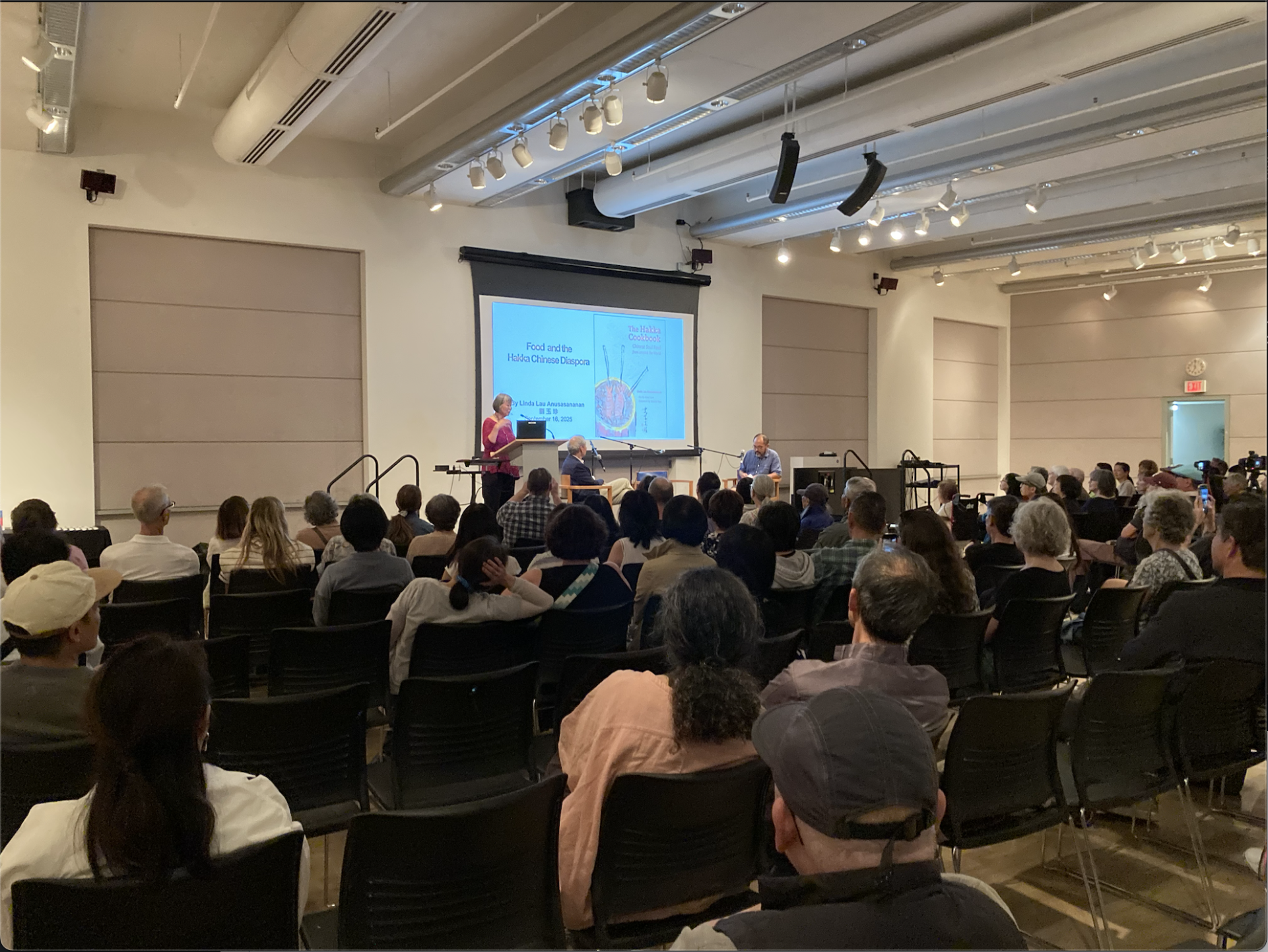
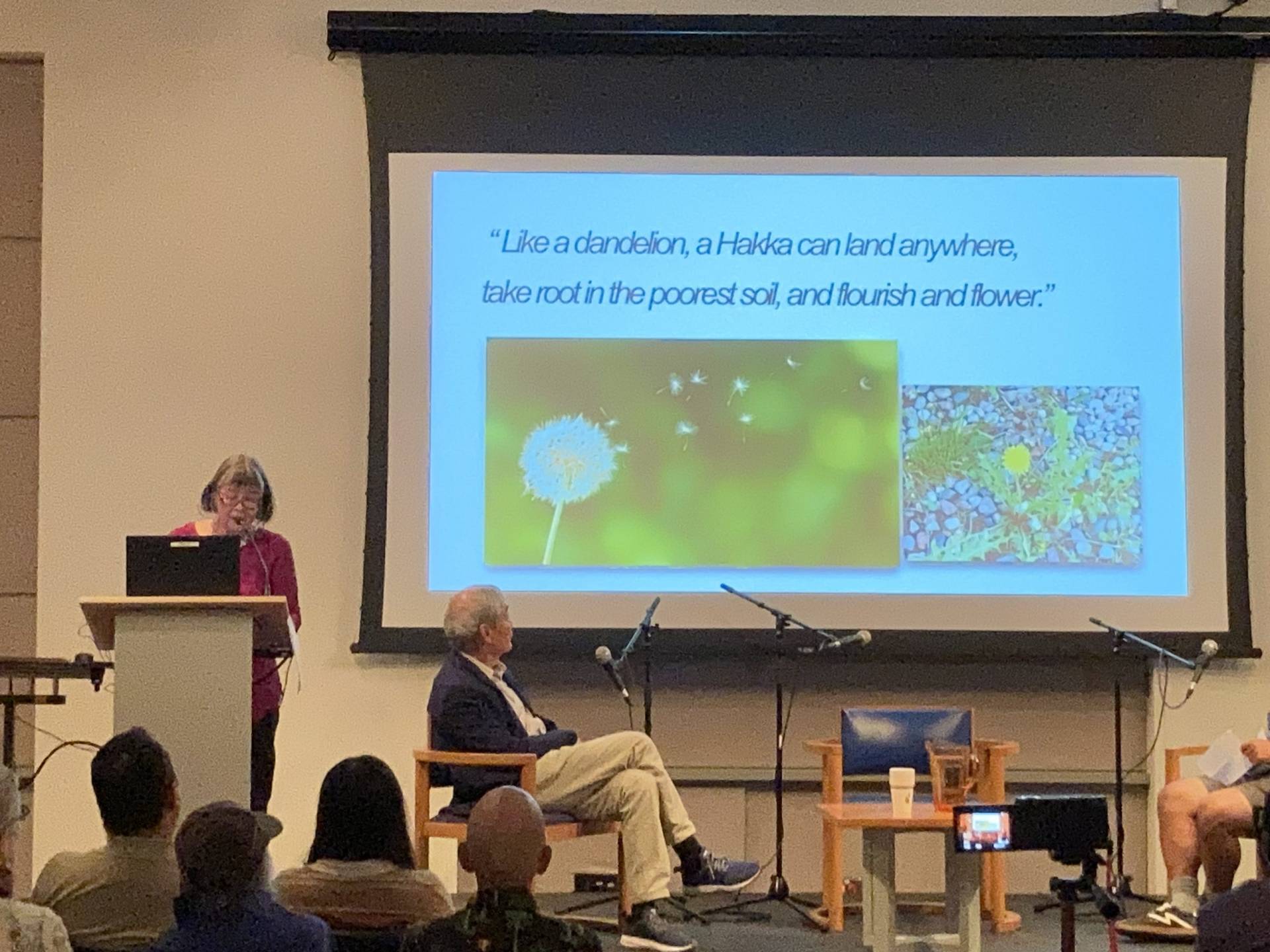
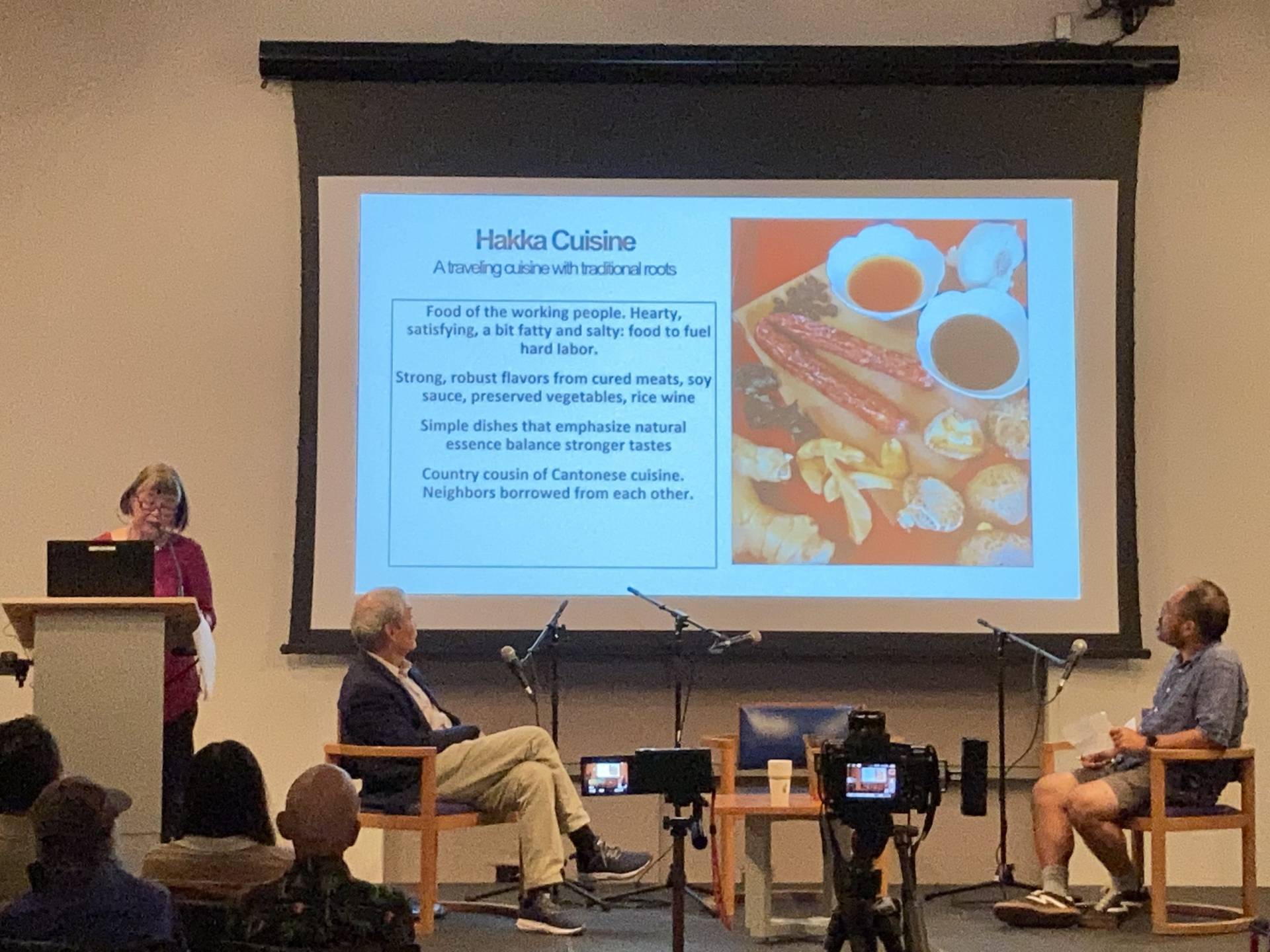
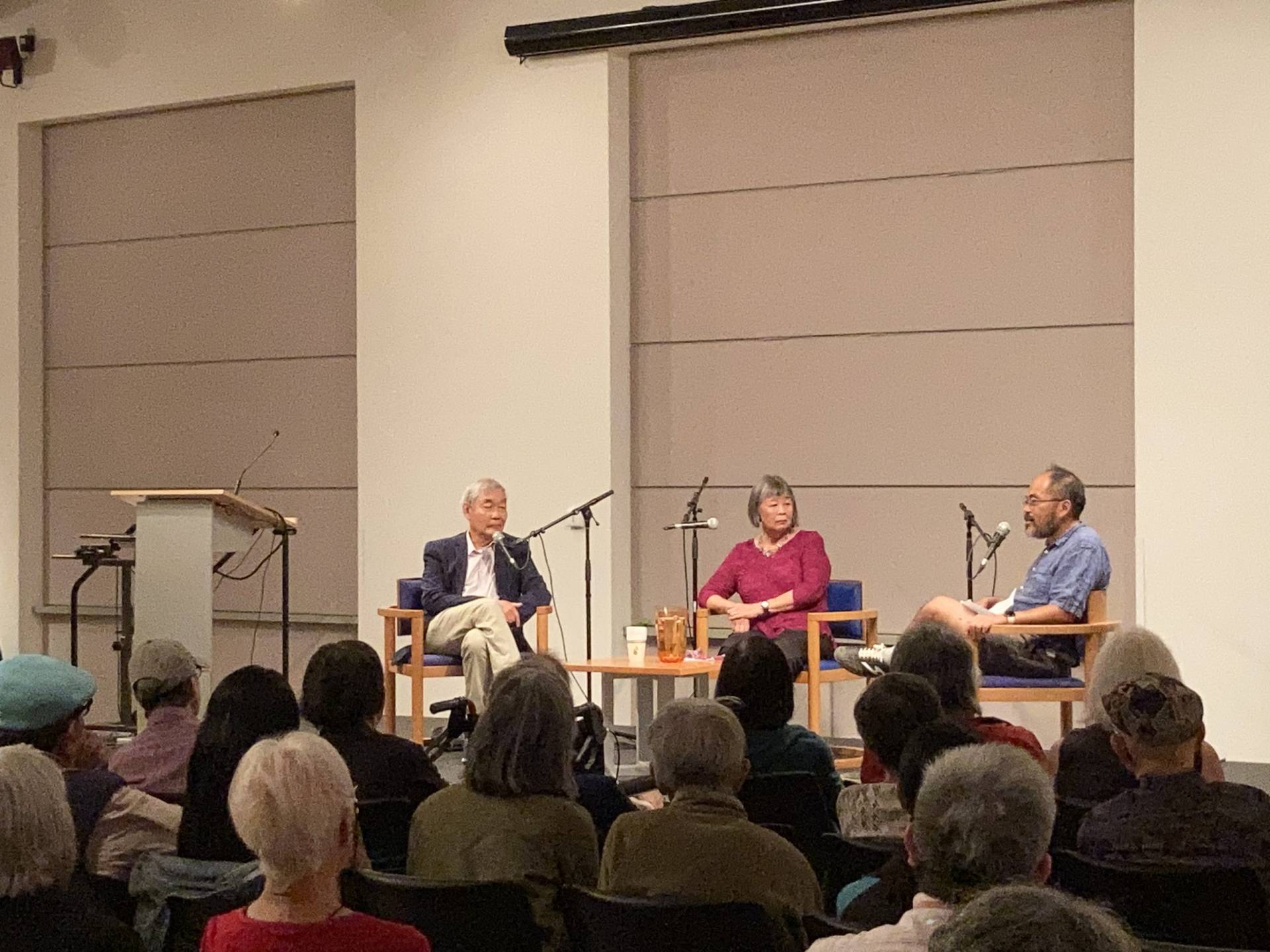
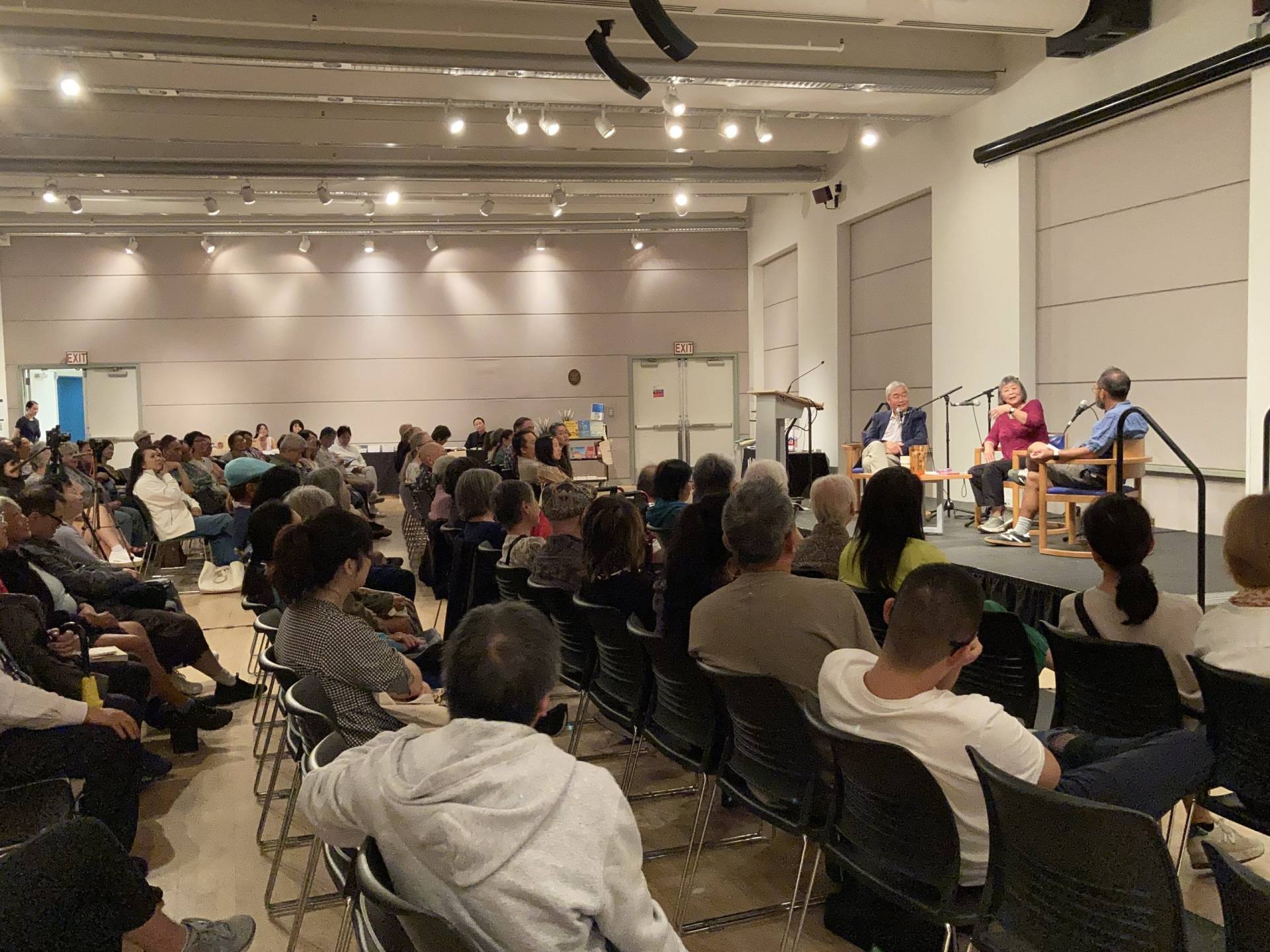
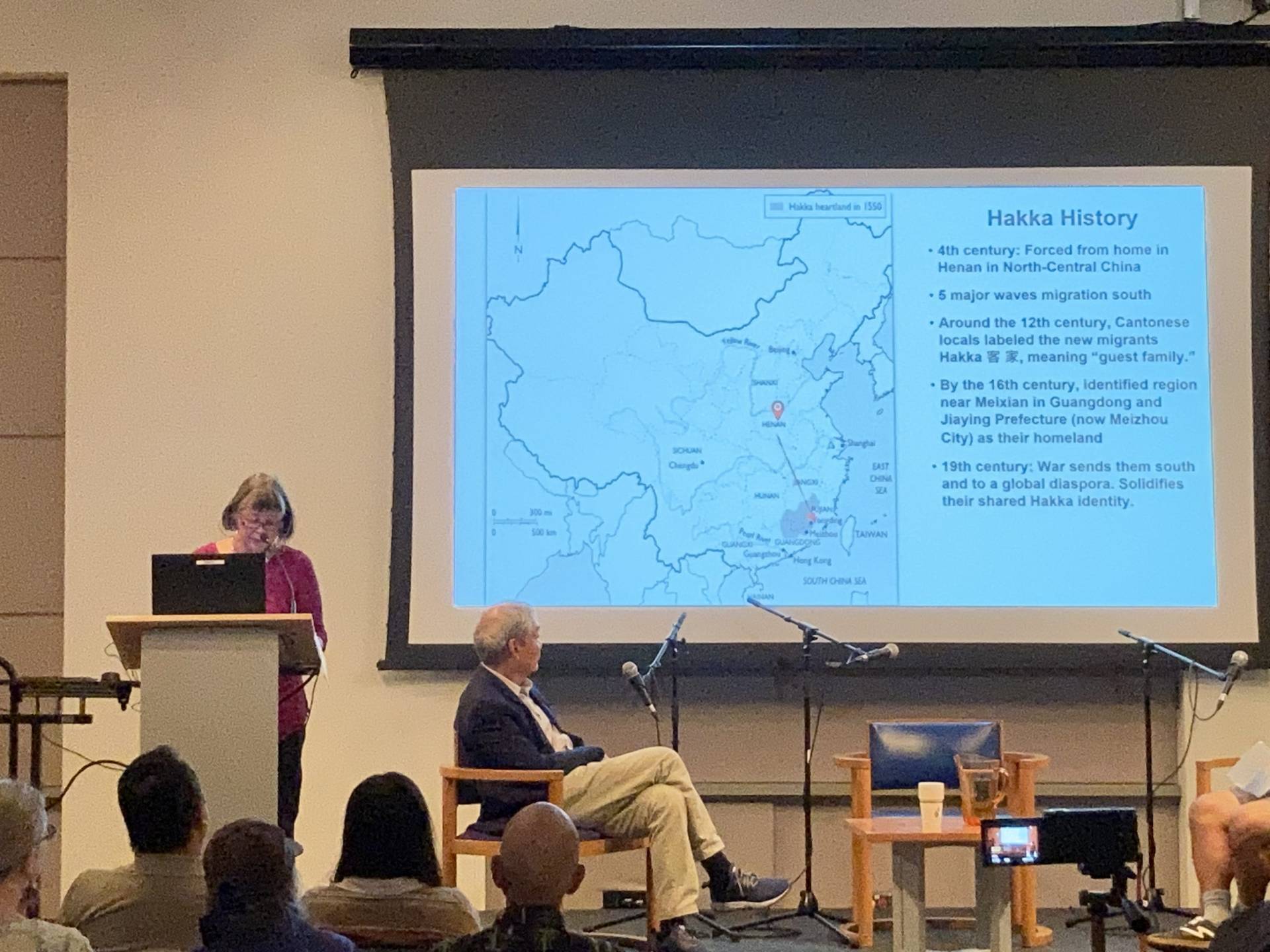
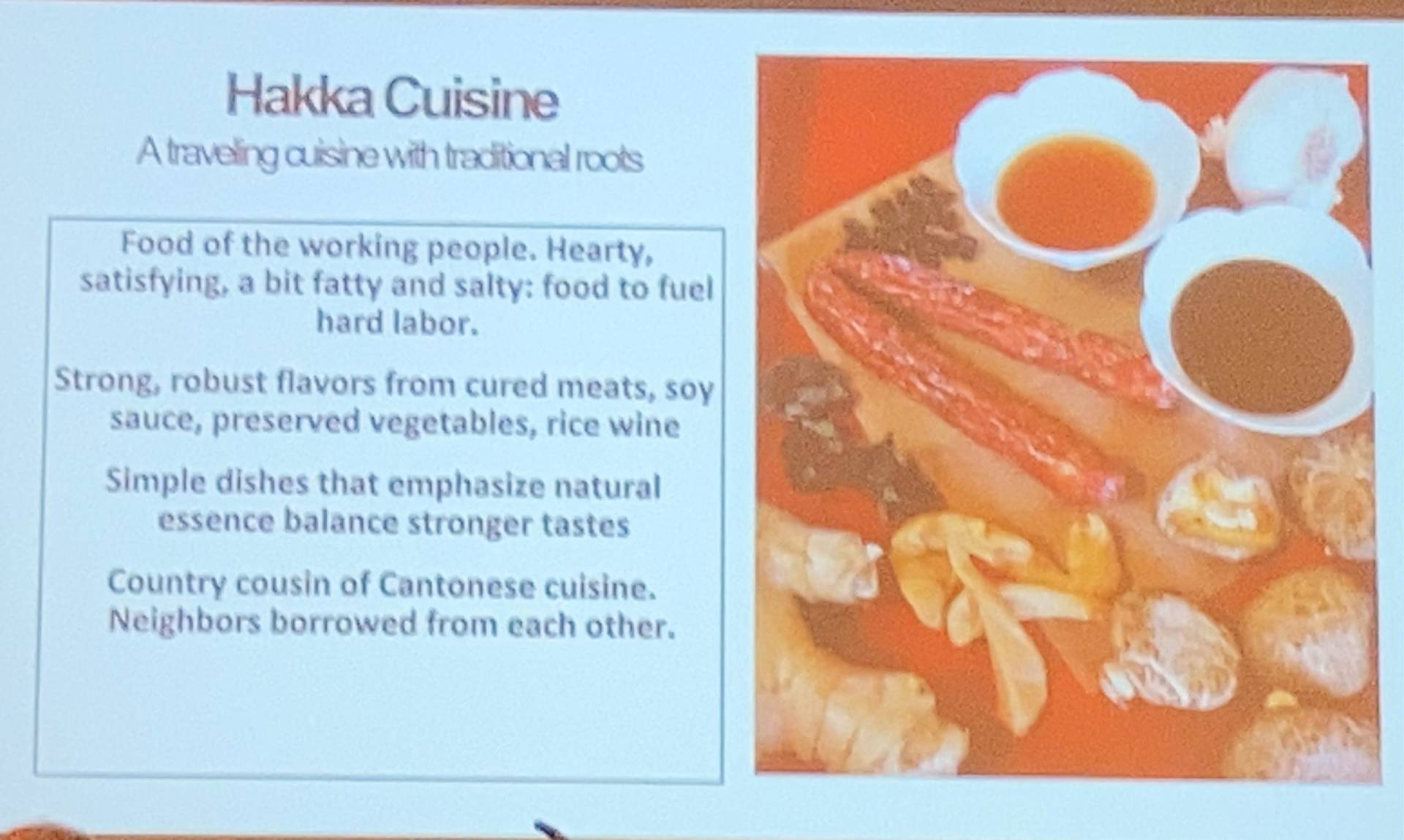
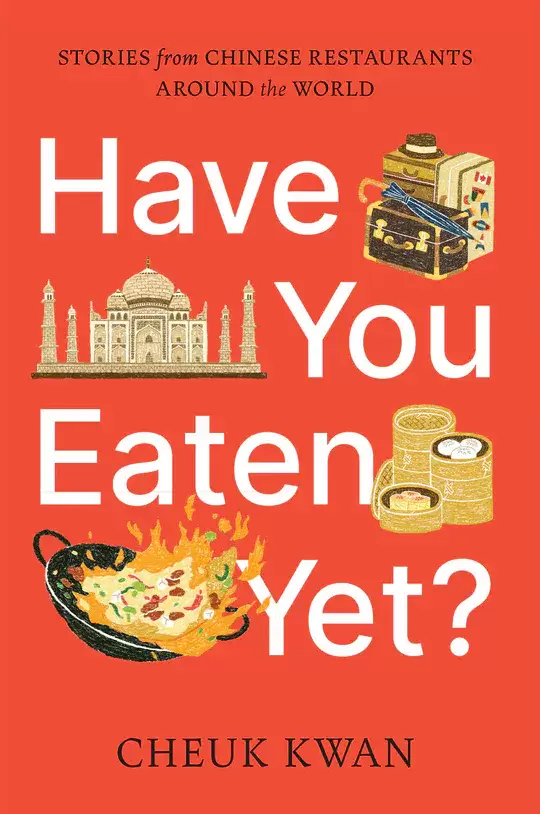
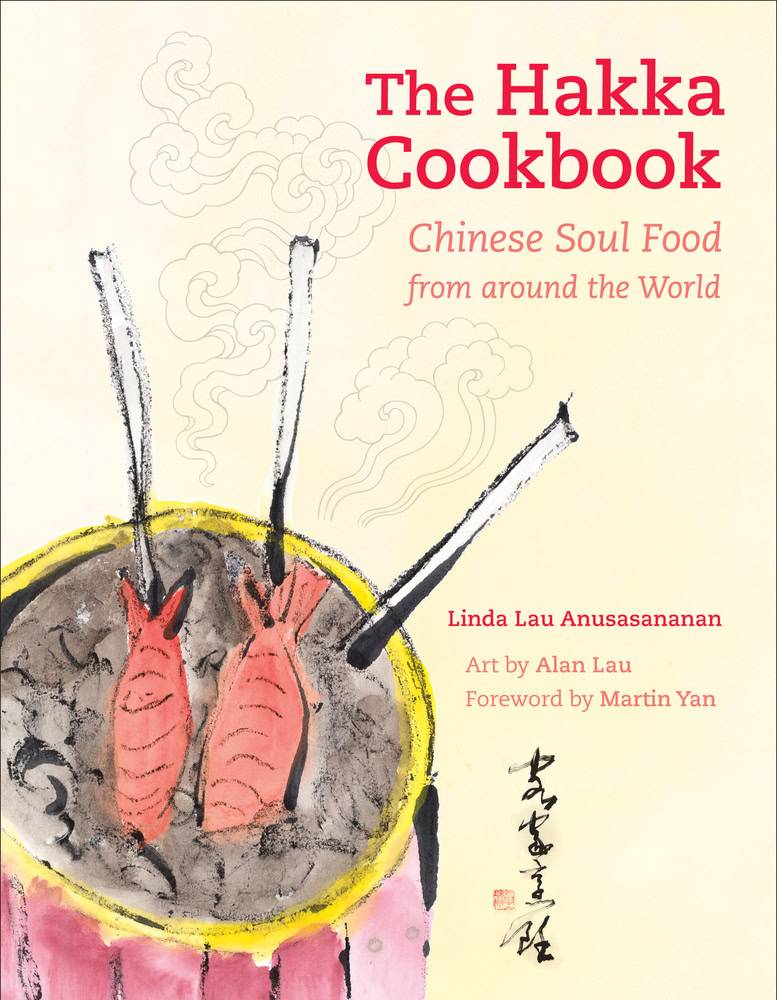


Image Credit - Melody Ma #1, #2, #3, #4, #5, #6
Kwan’s trailer for his Chinese Restaurant documentary series opened the night, immersing the audience in the hot, sweaty kitchens of Chinese restaurants across the globe — from Turkey to Brazil to just under the Arctic Circle. Chefs tossed diasporic dishes in fiery woks as scenes flashed across the screen, interspersed with interviews that asked the deeper questions: What does it mean to be Chinese in diaspora? Are we defined by our ethnicity, our nationality, or both? How is the diasporic identity expressed in food?
These questions guided the evening’s conversation as the panelists explored the tensions between being Chinese and how Chineseness is expressed and evolves through food wherever they settle.
Anusasananan shared a presentation on her ethnic identity as a Hakka Chinese person and how her book documenting Hakka food became a way to explore her own culture, which she didn’t know much about until she wrote the cookbook. The Hakka 客家 (“guest families”) are a displaced people who migrated from northern to southern China and then into a global diaspora scattered across Southeast Asia, Mauritius, India, North America, and beyond, often driven by war, famine, and violence from other ethnic groups.
The dandelion, Anusasananan explained, is the symbol of the Hakka people, because “like a dandelion, a Hakka can land anywhere, take root in the poorest soil, and flourish and flower.” Hakka food, she added, is “of the working people” who lived in the mountains, with women of unbound feet working side by side with the men.
She recalled her Hakka grandmother, affectionately called poh pooh 婆婆 in Chinese, who constantly reminded her growing up: “You should be proud to be Hakka.” But Anusasananan admitted candidly that she didn’t think much of it at the time. As the only Chinese student in an all-white school in a small California town where her father started and ran the first Chinese restaurant, being Hakka didn’t feel like something to claim.
After a long career as a food writer at Sunset Magazine, her poh poh’s words lingered. Anusasananan wondered: “What did she mean when she said, ‘You should be proud to be Hakka’?” In retirement, she set out to find out through what she knew best — food.
This journey took her around the world, into restaurants and home kitchens wherever Hakka people lived, observing cuisines and collecting recipes, and trying to capture the essence of Hakka taste in recreated recipes. She showed mouthwatering photos of Hakka classics like pork belly with pickled vegetables 梅菜扣肉, stuffed tofu 酿豆腐, and salt-baked chicken 鹽焗雞, but also highlighted regional adaptations like spiced goat stew in Jamaica, and braised fish in black bean sauce in Peru.
The contrast between traditional Hakka foods in China and adapted diasporic dishes, naturally led Kwan to pose the evening’s first question: “What is authentic?”
He shared that his gut answer is that what is authentic is what you had as a kid or rather, what your grandmother fed you. But, he says, Chinese American chop suey is also authentic if you grew up Chinese American and that’s what you had. He told the audience about a recent craving for a Japanese eel rice bowl that gave his answer more nuance. Something tasted off. He realized the rice was Chinese rice, not Japanese rice. The waitress explained that Chinese rice was simply cheaper. “Ah well,” he said, “now that’s not authentic.”
But when food evolves through diaspora, time, and global influence, when does authenticity begin or end? The panelists debated: is a Chinese restaurant more or less authentic depending on how many white customers it serves or not? How do you reconcile the fact that mayonnaise appears in the popular Chinese walnut shrimp, even though it isn’t a traditional Chinese ingredient? Or that mapo tofu wouldn’t exist without chili from South America? Or that the Cantonese egg tart is actually an evolution of the Portuguese egg tart?
“I think it changes constantly — authentic or not authentic,” says Anusasananan.
She went on to explain how she captured the Hakka recipes for her book, which was simply asking Hakka people around the world to tell her what their Hakka food was, so she can share it with others who want to make them at home.
“Chefs are notorious for giving you crumby recipes,” Anusasananan remarked. She explains it’s because chefs are working with large quantities, so they have a hard time adapting it for the home chef.
Instead, she tells us that the best way to capture family recipes is to take a video, taste along the way, and observe the consistency of sauces.
“So, spending time with your parents,” Chong reflects. The audience laughed, because everyone knew it was true.
Kwan traveled everywhere for his Chinese Restaurant project, which he describes as a documentary series exploring diverse Chinese restaurants in far reaches of the world, now repackaged as his book, Have You Eaten Yet? decades later.
He tells the audience that out of all his travels, Madagascar was the most surprising. There are now five generations of French-speaking Chinese Madagascans, many of whom later moved to Montreal or Paris. He was amazed at how keen the Chinese Madagascans were in preserving their culture. Even children who were one-eighth Chinese attended Chinese school and wrote perfect Chinese. They eat soup chinois, a wonton soup that has become a national dish of Madagascar, morning, midday, and night.
While in Peru, chifa is the name for Chinese food, derived from the Cantonese phrase sik faan 食飯, meaning “to eat rice” or “time to eat”. Chinese immigrants introduced rice cultivation techniques to Peru, helping integrate rice into Peruvian cuisine alongside the traditional staple, the potato.
But what does Chinese food look like today? Kwan notes that there are now many fusion restaurants compared to the past, and there’s a slow metamorphosis in what Chinese food means. Young people are showing renewed interest in restaurant work, partly because food is now part of internet influencer culture and running a restaurant is no longer seen as a low-class profession.
Anusasananan emphasized that travel and exposure bring influences into Chinese diasporic dishes. “Chinese are very smart business people, so they tailor their food to the taste of their customers,” she said.
She explains that what is often called “Hakka food” outside China, Singapore, Malaysia, and Taiwan is actually Hakka Indian food. It’s fusion food where Chinese cooking techniques are merged with Indian spices, which became very popular, largely among Indian customers.
In North America, Anusasananan recalls that much of Hakka food has long been labeled as Chinese or Cantonese food, because previously no one knew what Hakka meant. It’s easier for restaurants to say they offer Chinese food and throw in some Hakka dishes. “A lot of it is about good business to survive.”
As the evening neared its end, an audience member posed a question. He recalled that his family told him that, in the hierarchy of Chinese, the Hakka were at the bottom, so they never revealed their Hakka identity in the public to avoid discrimination. At home, however, they practiced their Hakkaness, and his dad made all the hearty traditional dishes, fatty and salty, because Hakka people historically needed them for hard fieldwork in the mountains. Now, though, it seems cholesterol could be an issue, so he wondered out loud: Is there a healthier version?
Anusasananan replied, “But not all the dishes are like that.”
“Well, the ones that taste the best are!” the audience member argued back.
The audience roared in laughter and left with minds full and mouths watering, imagining how Hakka and Chinese food, like the dandelion, will continue to adapt and evolve as diasporas journey through space and time.

melody yun ya ma 馬勻雅, is a second-generation Hakka Toisan Chinese writer and cultural organizer who leads the SaveChinatownYVR campaign.
More
Explore More Rungh